

FLIGHT LOG
— THE SPARROW BLOG —

Industrial Equipment Transportation: A Practical Planning Guide
Moving heavy machinery takes more than a truck. Learn how verified dimensions, trailer selection, permits, route planning, site readiness, rigging, and clear communication help industrial equipment moves stay safe, compliant, and on schedule.

Manufacturing Logistics: A Practical Guide to Reliable Production and Delivery
Manufacturing logistics keeps materials, production, storage, and delivery working in sync. Learn core processes, common challenges, key metrics, and practical steps to reduce downtime, control inventory costs, and improve delivery reliability.

Flatbed Transportation: How It Works, Equipment Options, and Shipping Requirements
Learn how flatbed transportation moves oversized, heavy, and irregular freight. Compare trailer options, securement methods, permits, and planning requirements to choose the right equipment and avoid costly delays.

Construction Logistics: A Practical Guide to Reliable Project Operations
Construction logistics aligns materials, equipment, crews, and schedules to keep projects moving safely and efficiently. Learn how to plan site access, coordinate deliveries, manage supply chain risks, and track performance to prevent delays and control costs.
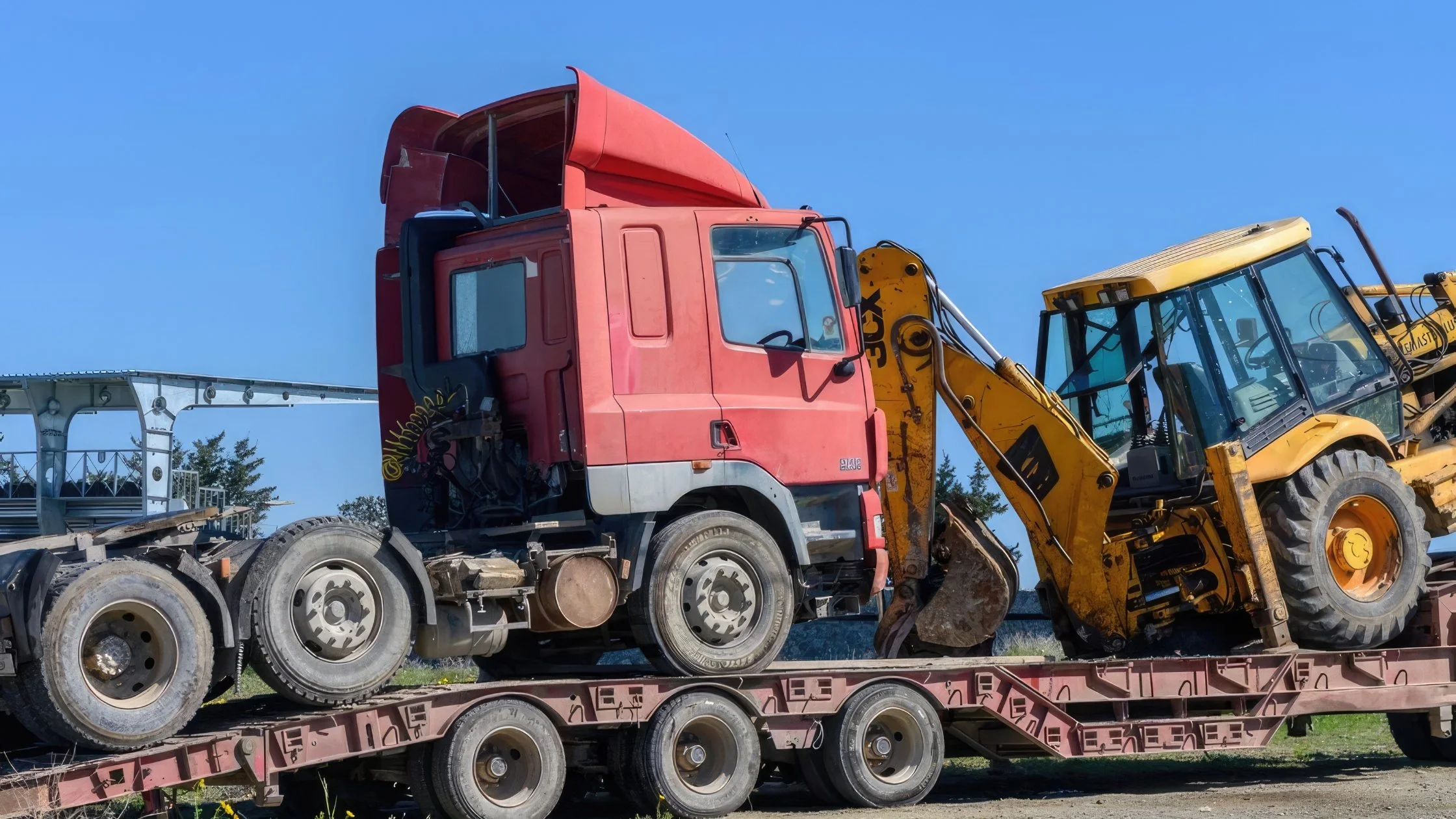
Heavy Machinery Transport: A Practical Guide to Safe, Reliable Equipment Shipping
Heavy machinery transport starts with verified dimensions, the right trailer, compliant securement, permits, and route planning. Learn how site readiness, documentation, and a qualified carrier help prevent delays, damage, and surprise costs.
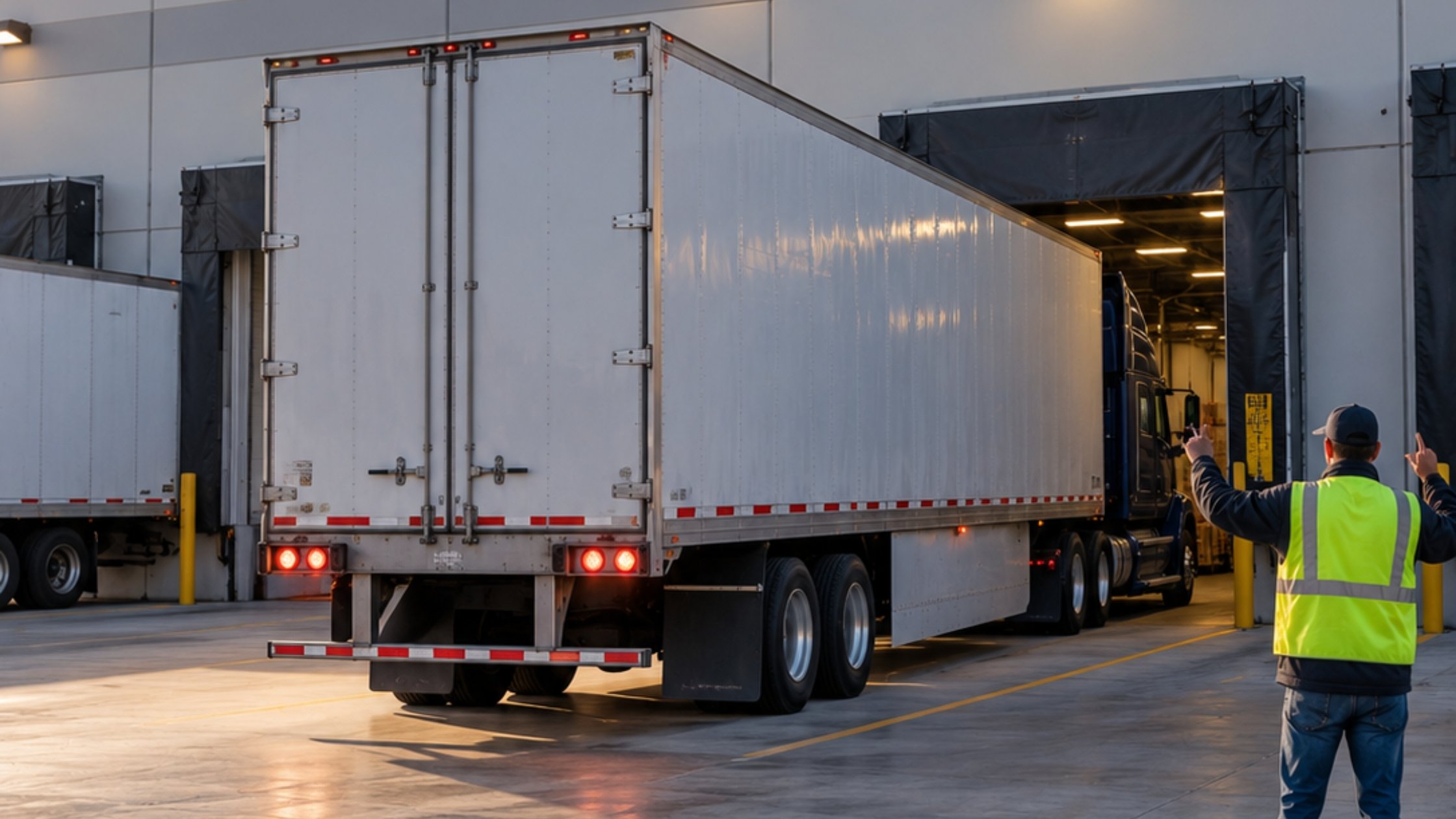
Loading And Unloading Services
Reliable loading and unloading services help reduce freight damage, dock delays, and warehouse disruption. Learn what to confirm before crews arrive, how to match equipment to your cargo, and which pricing and handoff details support smoother operations.

Transportation Coordination: A Practical Guide to Reliable Freight Movement
Transportation coordination aligns freight needs with carriers, equipment, routes, schedules, and documents to keep shipments safe, timely, and on budget. Learn a practical workflow for improving visibility, preventing delays, managing exceptions, and boosting carrier performance.
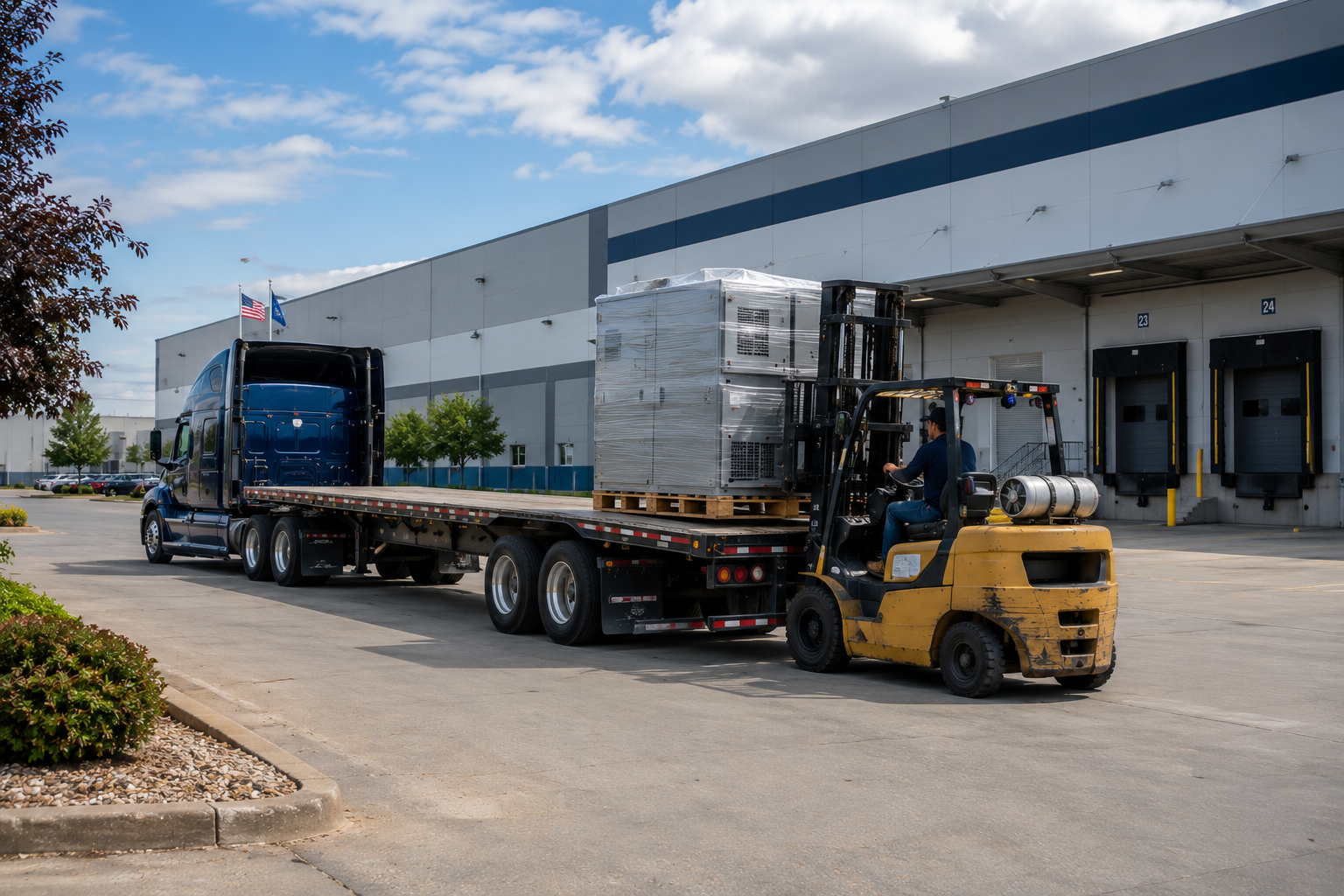
Manufacturing Logistics: A Practical Guide to Efficient Production
Manufacturing logistics keeps materials moving from suppliers to production lines and customers without costly delays. Learn how smarter planning, inventory control, warehouse execution, transportation, and contingency plans can improve efficiency and resilience.
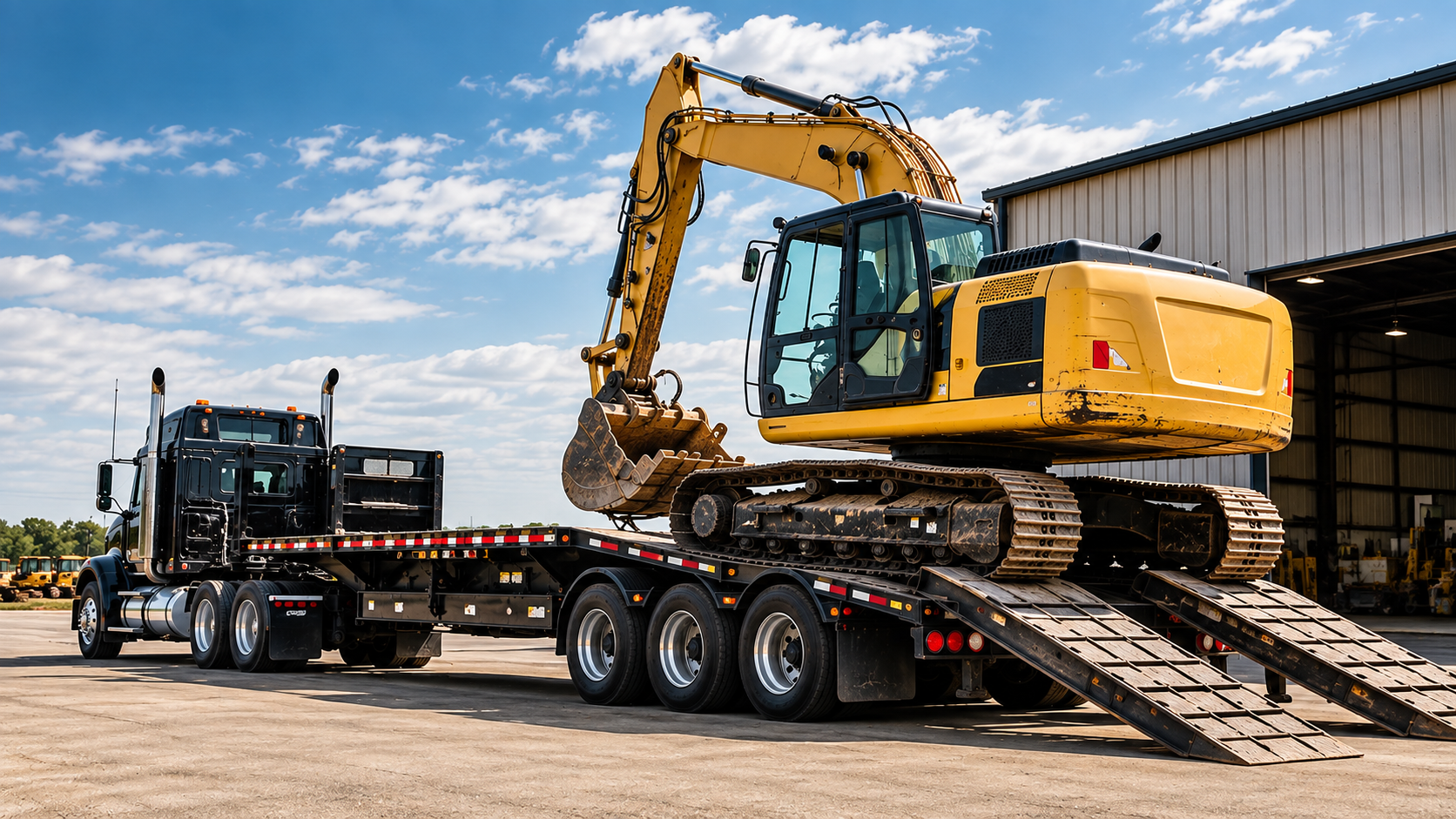
Equipment Hauling: A Practical Guide to Safe, Reliable Transport
Safe equipment hauling starts with verified dimensions, weight, operating condition, and attachments. Learn how trailer selection, cargo securement, permits, route planning, and site preparation reduce risk, prevent delays, and keep heavy machinery moving reliably.

Power Only Trucking: How It Works, Benefits, and Costs
Power only trucking pairs a carrier’s tractor and driver with a customer-provided trailer, offering flexible capacity for surges, repositioning, and drop-and-hook freight. Learn how it works, what affects costs, and how clear maintenance and insurance roles reduce risk.
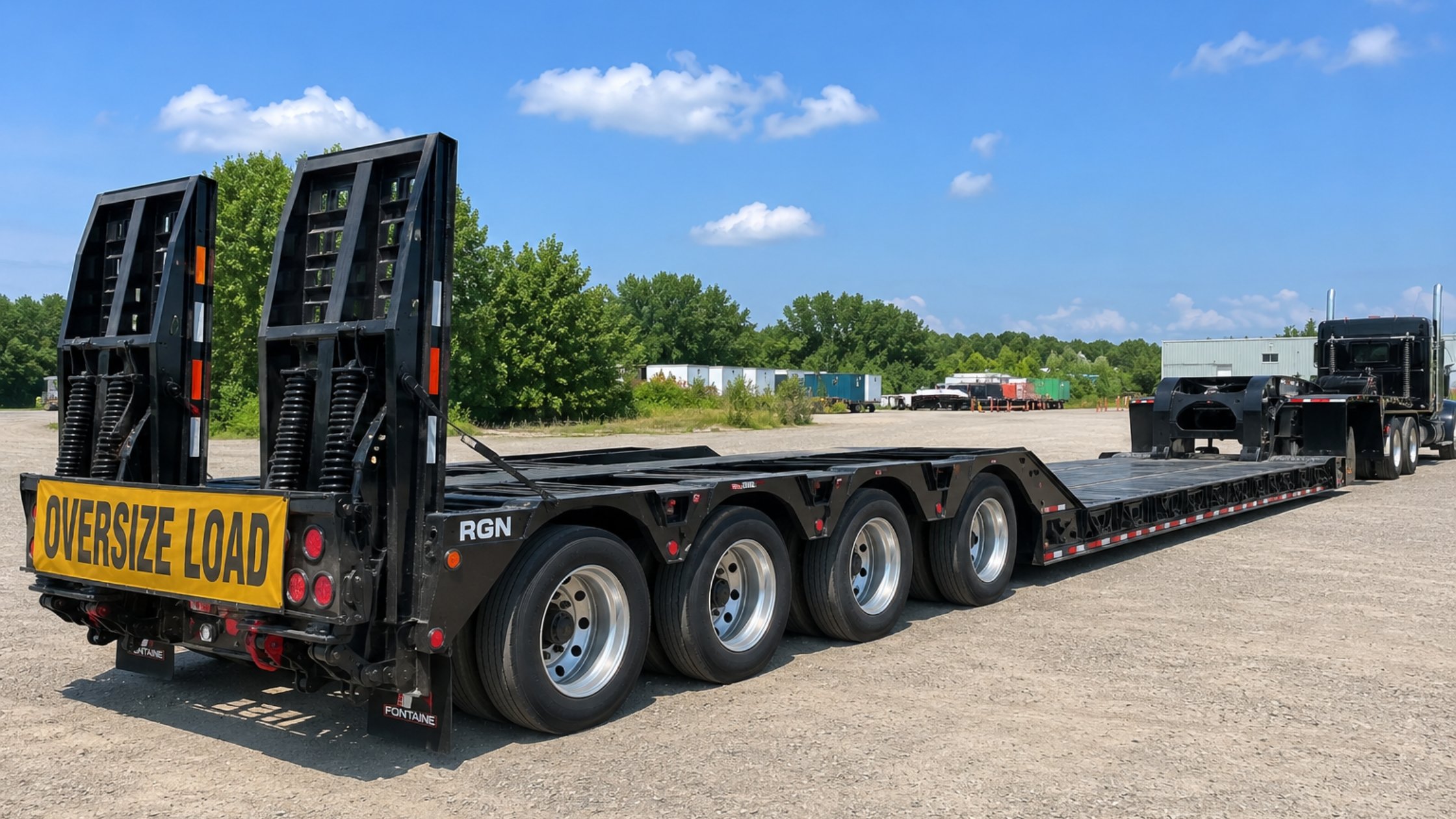
RGN Trailer: Uses, Dimensions, Loading, and Transport Planning
Learn how RGN trailers simplify moving tall, heavy, and self-propelled equipment with low decks and ground-level loading. Explore typical dimensions, capacities, securement rules, permits, axle limits, and route-planning steps for a safer heavy-haul shipment.

Transportation Planning Mistakes: 7 Common Errors That Disrupt Freight Operations
Learn the seven most common transportation planning mistakes and how proactive planning can reduce delays, control costs, and improve freight reliability.
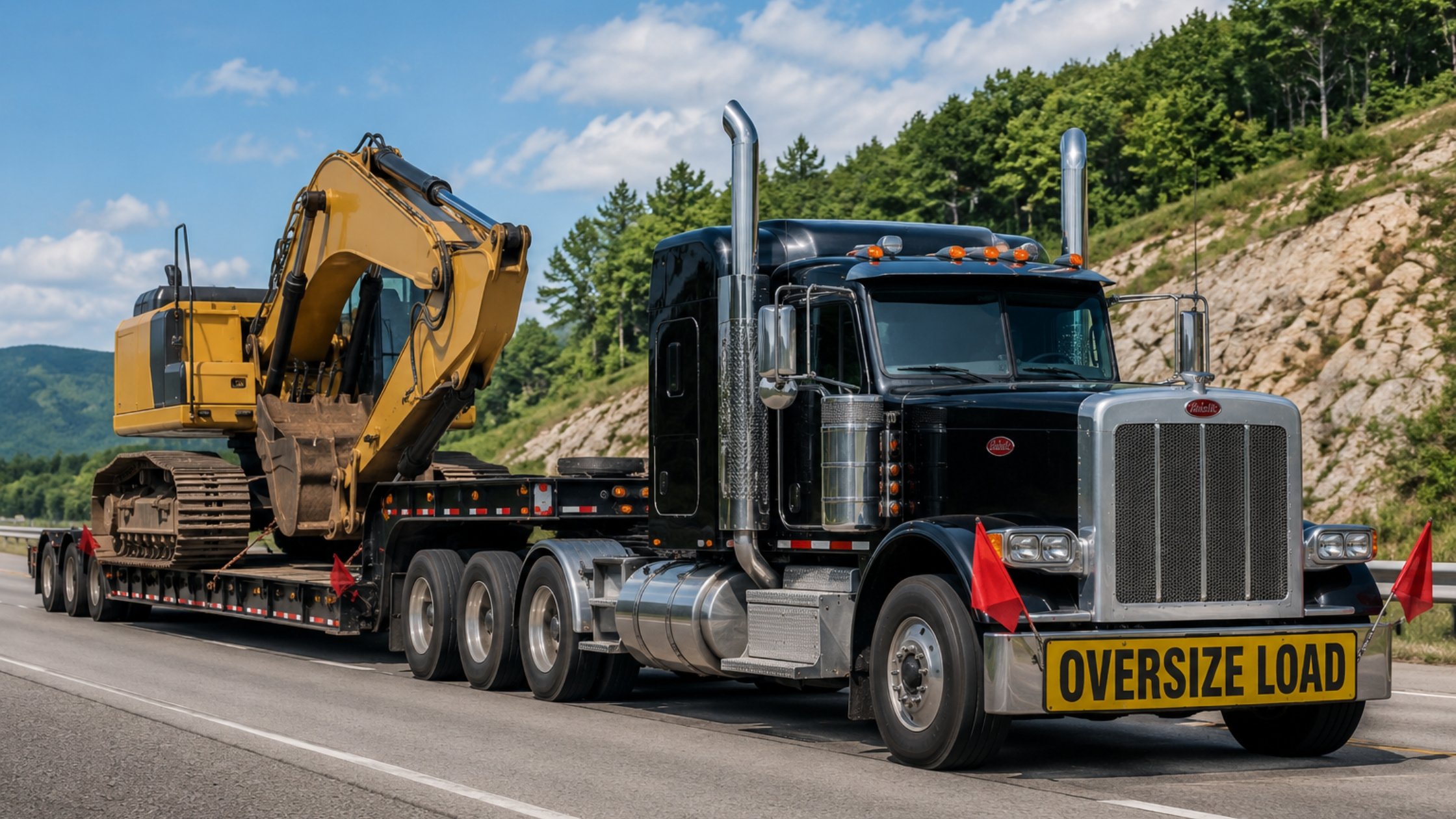
Construction Equipment Shipping: How to Move Heavy Machinery Safely and Efficiently
This guide explains how accurate equipment details, proper trailer selection, permits, securement, and jobsite coordination help construction machinery arrive safely and on schedule.

When Expedited Freight Makes Sense: Knowing When Speed Is Worth the Investment
Learn when expedited freight creates real business value by preventing costly downtime, protecting project schedules, and meeting time-sensitive delivery commitments.

Freight Execution Best Practices: How Better Planning Leads to Better Deliveries
Learn the freight execution best practices that help businesses improve transportation reliability, reduce delays, and keep shipments moving from planning through delivery.

Construction Season Freight Planning: How to Stay Ahead of Summer Capacity Challenges
Learn how construction season freight planning helps businesses secure transportation capacity early, reduce delays, and keep projects on schedule during peak shipping season.
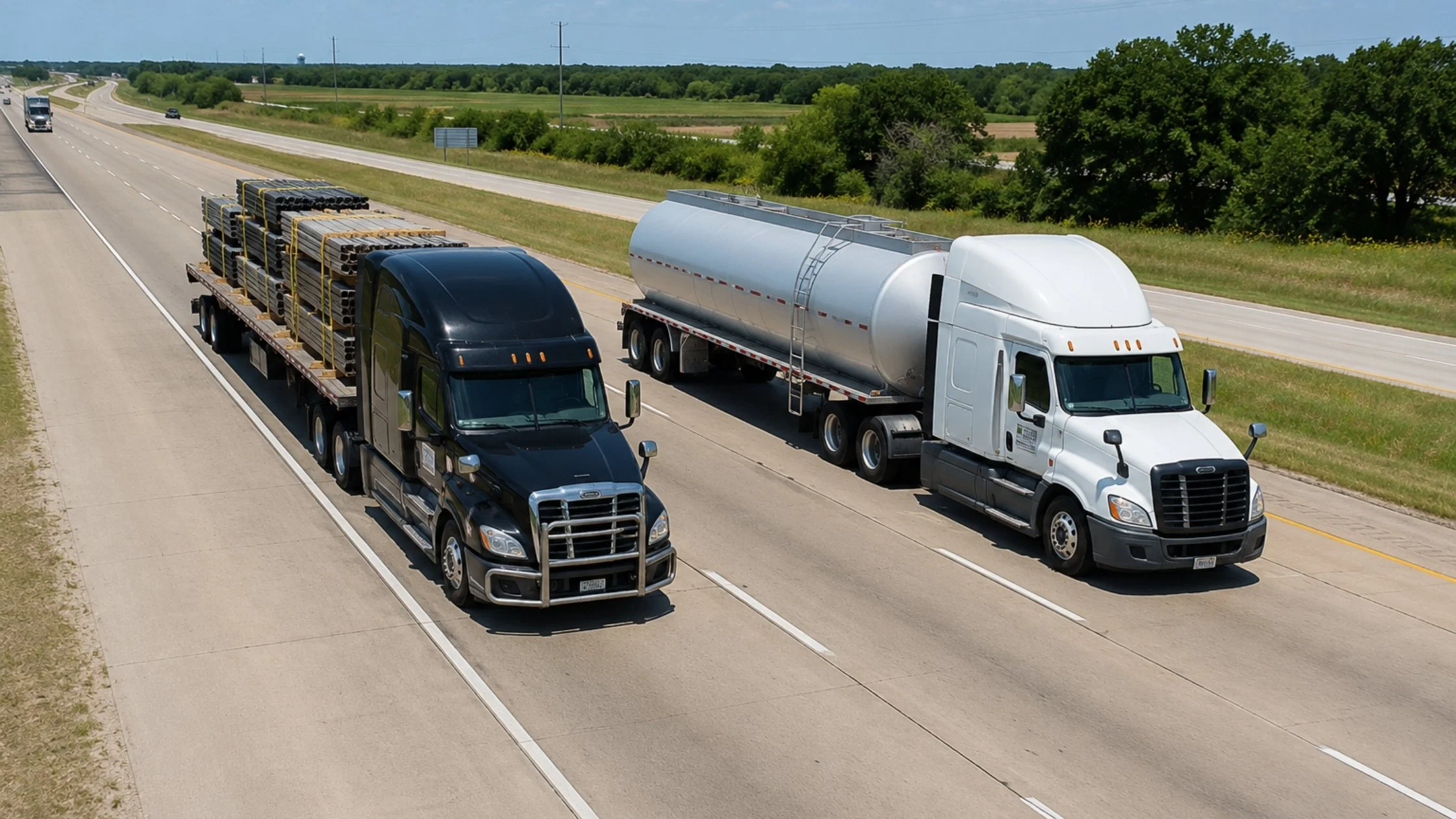
How to Reduce Freight Delays Before They Disrupt Operations
Learn how to reduce freight delays by improving shipment accuracy, strengthening communication, preparing facilities, and planning proactively before transportation begins.

Why Carriers Miss Appointments: The Real Causes Behind Freight Delays
Understanding why carriers miss appointments helps shippers identify the operational, communication, and capacity challenges that often cause freight delays before a truck ever arrives.
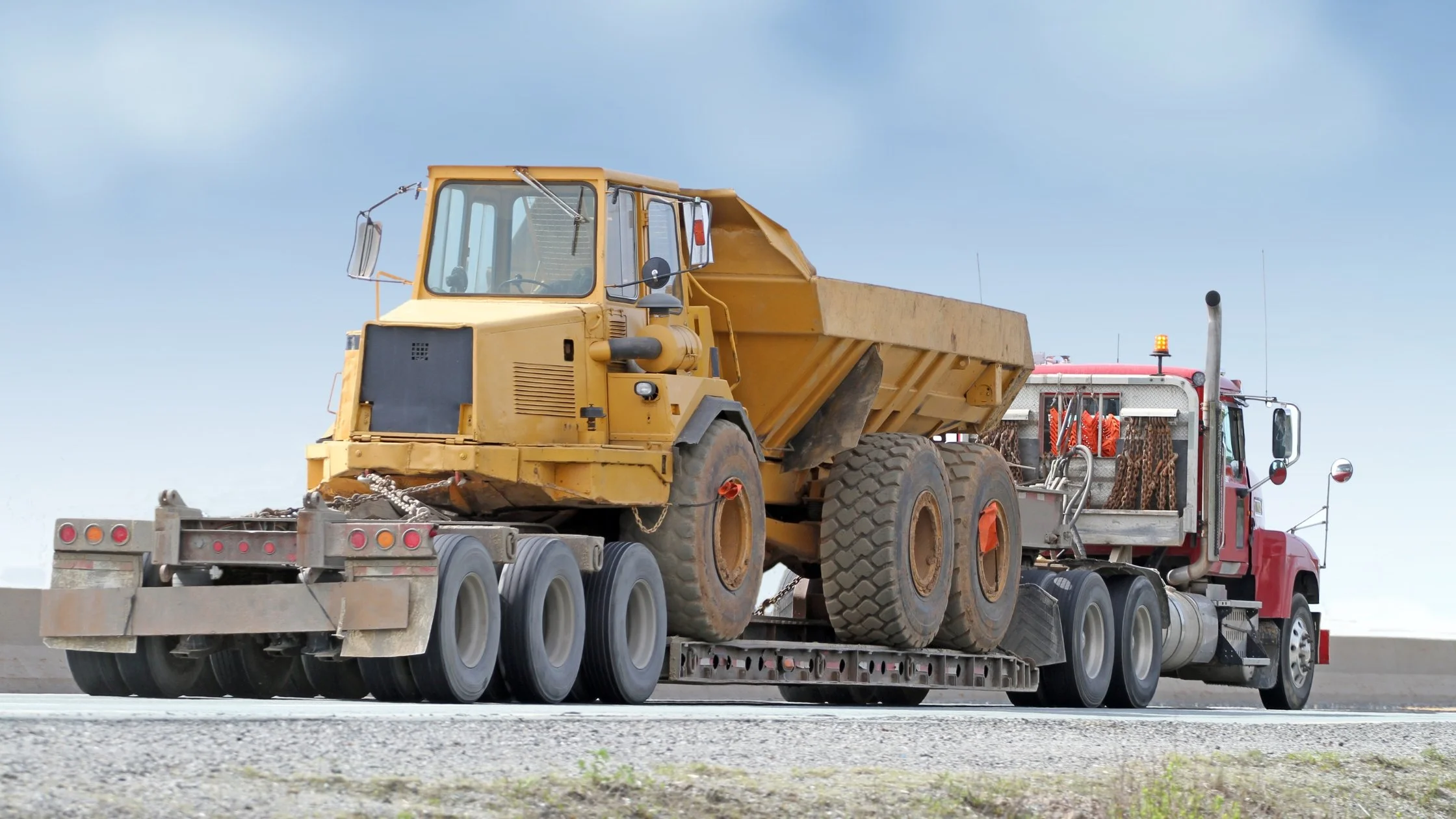
Heavy Haul Transportation Planning: The Mistakes That Cause Delays Before Freight Moves
Heavy haul transportation planning helps construction, manufacturing, and industrial organizations avoid costly delays by proactively managing permits, dimensions, routing, site readiness, and seasonal capacity challenges before oversized freight moves.

Summer Freight Market Trends: What Shippers Should Expect This Season
Summer freight markets are shaped by construction activity, agricultural demand, refrigerated transportation needs, and infrastructure projects, making proactive planning essential for consistent freight execution.